4 Tips to Ease Recovery From Hip or Knee Replacement Surgery
Nov 17, 2026
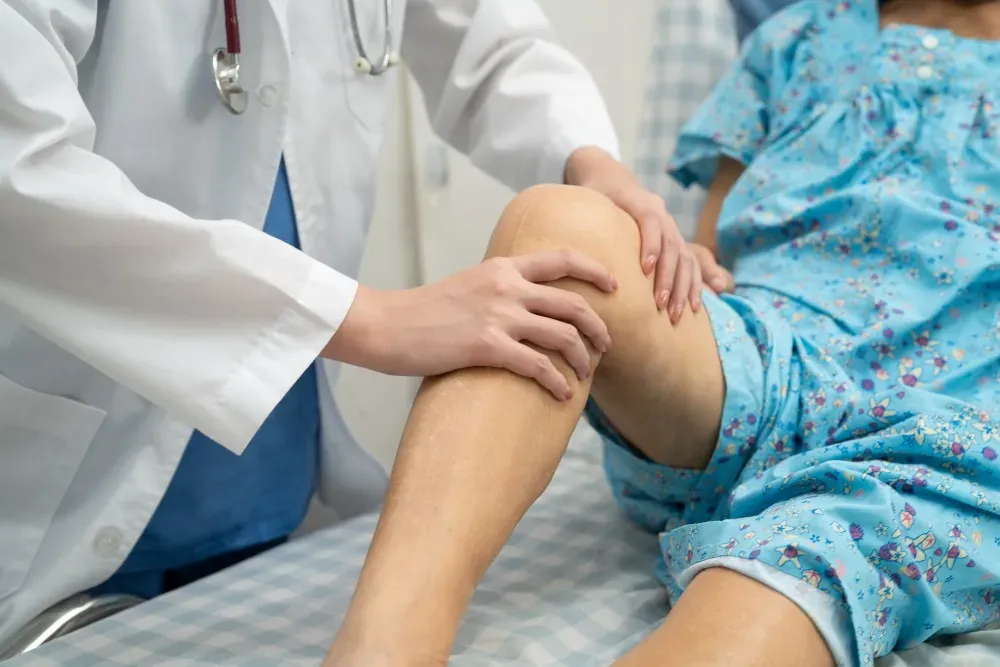
Joint replacement surgeries are on the rise in the United States thanks to an aging population — today, surgeons perform more than 1.3 million hip and knee replacements annually.
These numbers not only reflect an aging population, but they are also a testament to the success of joint replacement surgery. Thanks to modern medicine, people no longer have to live with worn down and painful joints that are preventing them from moving through the world. Instead, they can hit the reset button with joint replacement.
If you’re in line for a hip replacement or knee replacement with the team at Austin Sports Medicine, we offer a few great strategies below that can help get you back on your feet more quickly and safely.
With either hip or knee replacement surgery, you can expect that mobility will be more challenging as you recover. While we want you to move around as much as possible to encourage healing, you need to conduct this early mobility in a safe environment.
This means prepping your home in advance by:
You might also want to create a sort of recovery area on the main floor of your house where you have everything you need within easy reach.
During the first week or two of recovery after your knee or hip replacement, it’s a good idea to minimize the number of chores you have. A great way to accomplish this is to do what you can in advance, such as:
This last item is important — after a major joint replacement, you won’t be able to drive safely for a few weeks afterward. The exact timeline depends upon which knee or hip we’re replacing and what type of car you drive.
Physical therapy (PT) is mandatory, not optional. This is a point we can’t stress enough. While we’re confident that we can handle our end of the joint replacement, it’s up to you to shape how you move forward.
With modern joint replacement, we want you up and moving fairly quickly, often on the same day. These movements should be purposeful and beneficial, and that’s where physical therapy comes in.
At Austin Sports Medicine, we offer comprehensive PT services. Consider this work to be equally as important as the surgery itself.
What this means for you is that we want you to attend all of your PT sessions — and be sure to do the homework!
Healing after a hip or knee replacement surgery involves equal parts activity and rest, so keep this in mind. Yes, we want you to use your new joint right away, but we don’t want you to push too hard, which can end up delaying recovery.
Work with our PT team, and listen to your body. If you feel some minor discomfort, you can keep pushing. Anything more than minor, however, is a sign you need to give it a rest.
Balance your recovery between exercise and rest, and your body will reward you with a strong replacement joint you can rely on.
We’re happy to help you come up with a personalized recovery plan for your hip or knee replacement. Contact Austin Sports Medicine today to meet with our specialists in Bee Cave, Central Austin, South Austin, Cedar Park, or Pflugerville, Texas.